
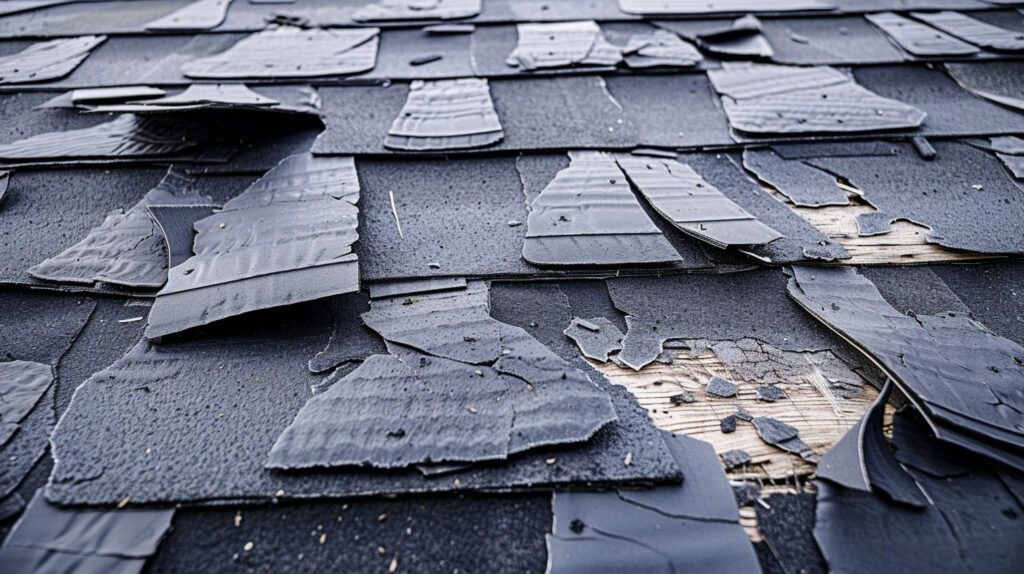
Your roof is one of the most important components of your home’s protection system. In Houston, TX, where severe storms, heat, and humidity are common, roof damage can escalate quickly from minor issues to significant structural problems. Recognizing the warning signs early and calling in a professional inspection can save you time, money, and stress. In this blog, we’ll cover the key indicators that it’s time to get expert eyes on your roof.
Why Roof Damage Often Goes Unnoticed
Many homeowners assume that unless there’s a visible leak, the roof is fine. Unfortunately, not all damage is immediately apparent. Water intrusion can take weeks or months to show up inside your home, and by then, repairs may be extensive and costly.
Houston’s weather—especially high winds and sudden downpours—can cause subtle damage that worsens over time. That’s why early detection through a professional inspection is so important.
1. Missing or Damaged Shingles
Shingles serve as the first barrier against the elements. If you notice missing shingles, curling edges, or granule loss in your gutters, it’s time for a closer look. These issues often indicate that your shingles are aging or have been compromised by wind or hail.
2. Water Stains or Discoloration on Ceilings
Brownish stains on your interior ceilings or walls are classic signs of a roof leak. However, the source of the leak may be far from the stain itself. Professional roofers use tools and experience to trace the water path and find the origin of the leak accurately.
3. Sagging Roof Lines
A roof that appears to dip or sag in the middle could signal underlying structural problems. These might be due to waterlogged decking, improper installation, or long-term damage from storms. A sagging roof is a serious issue that should be addressed immediately.
4. Flashing Issues
Flashing—thin metal installed around chimneys, vents, and roof edges—keeps water from entering vulnerable areas. If flashing is rusted, bent, or missing, it compromises your roof’s water resistance. Improper flashing installation or storm damage often goes unnoticed without a trained eye.
5. Mold, Mildew, and Moisture in the Attic
High humidity in Houston makes it easier for mold to grow in poorly ventilated attics. If you notice musty odors, black spots on wood, or damp insulation, it’s a sign that moisture is entering through the roof. A professional will assess whether it’s a ventilation issue or water infiltration.
Why You Should Always Call a Professional
DIY inspections are helpful but limited. Professionals know how to identify hidden problems, safely navigate rooftops, and provide detailed reports. Many roofing systems—especially those using advanced materials like Malarkey Roofing Products or Owens Corning shingles—require specific inspection techniques to maintain warranties.
Working with an experienced, certified contractor like TrueWorks Roofing ensures your roof gets a thorough evaluation and expert recommendations. With an A+ rating from the Better Business Bureau, their team understands the challenges of Houston’s climate and delivers dependable results.
What Happens During a Professional Roof Inspection?
A proper inspection includes:
- Evaluation of exterior roofing materials (shingles, flashing, fascia)
- Examination of attic ventilation and insulation
- Leak detection and moisture assessment
- Review of roof penetrations (vents, skylights, chimneys)
- Documentation of findings for insurance or warranty purposes
Afterward, you’ll receive a detailed report outlining the roof’s condition, any damage found, and suggested repair or maintenance steps.
When to Schedule a Roof Inspection
- After a major storm or hail event
- If your roof is over 10 years old
- Before selling or buying a home
- When signs of leaks or damage appear
- At least once a year as preventive maintenance
By proactively scheduling inspections, you can catch small problems before they become big ones, ultimately extending the lifespan of your roof.
Final Thoughts
In a city like Houston, waiting until you see water dripping from the ceiling is far too late. Protect your investment by learning the key signs of roof damage and partnering with a local professional you trust. Preventative care and expert inspections are the smartest ways to keep your roof—and your home—strong and secure. Read also our blog: Emergency Roof Repairs in Houston: What to Expect